Cybersecurity Risks in Warehouses and Industrial Facilities
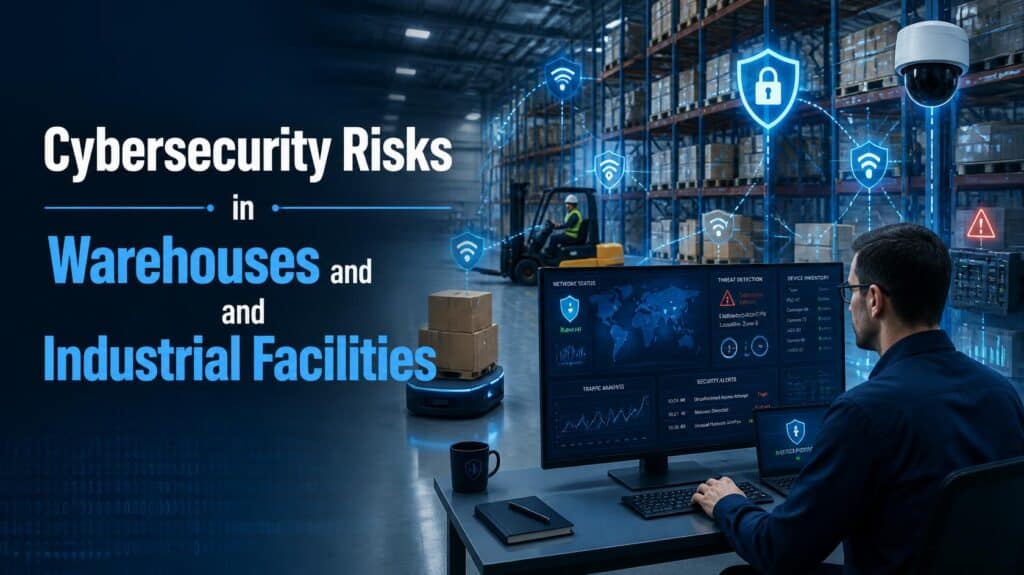
Warehouses and industrial facilities have become increasingly connected. From barcode scanners and wireless networks to automated machinery, inventory systems, cloud platforms, and IoT devices, technology now powers nearly every aspect of warehouse operations.
While these advancements improve productivity, they also introduce new cybersecurity risks. A successful cyberattack can halt production, delay shipments, compromise customer data, and cause significant financial losses.
Understanding these risks—and proactively addressing them through regular IT security audits—can help warehouses maintain secure and reliable operations.
Why Warehouses Are Becoming Cyberattack Targets
Many businesses assume cybercriminals primarily target banks or healthcare organizations. However, warehouses and manufacturing facilities have become attractive targets because they often manage valuable inventory, supply chain data, customer information, and connected operational systems.
Attackers know that operational downtime is expensive, making industrial businesses more likely to pay ransoms to restore operations quickly.
Common Cybersecurity Risks in Industrial Facilities
Ransomware Attacks
A ransomware attack can lock inventory management systems, shipping software, and production equipment, bringing operations to a standstill.
Unmanaged Devices
Warehouses often use handheld scanners, tablets, mobile computers, surveillance systems, printers, and IoT sensors. Devices that aren't regularly updated become easy entry points for attackers.
Weak Network Segmentation
When office systems and operational technology (OT) share the same network, attackers who compromise one device can move laterally throughout the environment.
Outdated Software
Legacy warehouse management systems and industrial control software may contain known vulnerabilities that cybercriminals actively exploit.
Third-Party Vendor Access
External vendors often require remote access for equipment maintenance. Without proper security controls, vendor connections can increase your organization's exposure.
Employee Phishing Attacks
Warehouse employees frequently receive shipping notices, invoices, and vendor emails—making phishing attacks particularly convincing.
The Business Impact of a Cyberattack
Cybersecurity incidents affect more than just IT systems.
A successful attack can lead to:
- Shipping delays
- Lost inventory visibility
- Production downtime
- Revenue loss
- Damaged customer relationships
- Compliance violations
- Recovery expenses
- Business interruption
Even a few hours of downtime can significantly impact supply chain commitments.
How IT Security Audits Help Reduce Risk
An IT security audit provides a complete assessment of your warehouse's technology infrastructure, helping uncover vulnerabilities before they become business disruptions.
A comprehensive audit typically includes:
Network Security Review
Evaluate firewalls, wireless networks, VPNs, and remote access configurations.
Device Inventory
Identify unmanaged or unauthorized devices connected to the network.
Vulnerability Scanning
Detect outdated operating systems, missing security patches, and known software vulnerabilities.
Access Control Assessment
Ensure employees, contractors, and vendors only have access to systems required for their roles.
Backup and Disaster Recovery Review
Verify that critical systems and data can be restored quickly after cyber incidents.
Security Policy Evaluation
Review existing cybersecurity policies and recommend improvements aligned with industry best practices.
Best Practices for Warehouse Cybersecurity
Industrial organizations can significantly reduce cyber risks by:
- Conducting regular IT security audits
- Keeping software and firmware updated
- Segmenting operational and business networks
- Enabling multi-factor authentication (MFA)
- Monitoring network activity continuously
- Training employees to recognize phishing attempts
- Regularly testing backup and recovery procedures
Cybersecurity should be treated as an ongoing operational process rather than a one-time project.
Final Thoughts
As warehouses become more automated and interconnected, cybersecurity becomes essential to business continuity. A proactive IT security audit helps identify vulnerabilities, strengthen defenses, and reduce the risk of costly operational disruptions.
Investing in cybersecurity today protects not only your systems but also your customers, your supply chain, and your bottom line.
Keep Your Warehouse Secure with Jackson Technologies
Jackson Technologies helps warehouses, distribution centers, and industrial facilities uncover hidden security risks before they impact operations. Our comprehensive IT Security Audits identify vulnerabilities, improve network security, and provide practical recommendations to strengthen your cyber defenses.
Schedule your IT Security Audit today and keep your operations running securely and efficiently.