Why AI Security Audits Are Critical for Business Protection in 2026
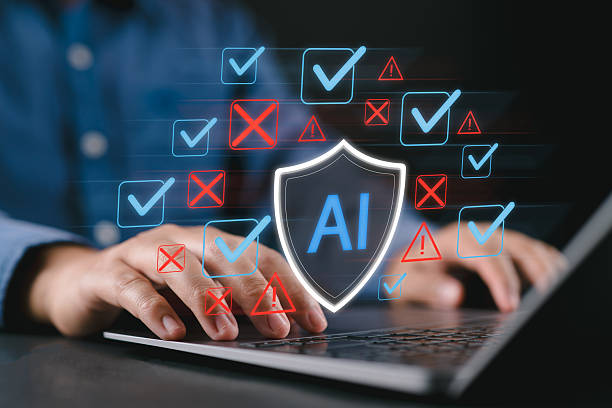
Artificial Intelligence is accelerating business growth — but it is also accelerating risk.
Organizations are deploying AI faster than they are securing it. That imbalance creates exposure at the executive, operational, and regulatory levels.
An AI Security Audit is no longer a technical luxury — it is a strategic necessity.
Here’s why.
1. AI Expands Your Attack Surface
Every AI system adds:
• New data pipelines
• External API connections
• Cloud dependencies
• Machine learning model vulnerabilities
Threat actors are now specifically targeting AI systems using techniques like:
• Model manipulation
• Prompt injection
• Data extraction through response probing
• Supply-chain attacks via AI vendors
If it connects to your network, it must be audited.
2. AI Can Leak Sensitive Information
Employees often paste:
• Financial reports
• Client contracts
• Internal strategy documents
• Source code
Without policy enforcement and auditing, this becomes a channel for data exfiltration.
An AI Security Audit identifies:
• Uncontrolled AI usage
• Data exposure risks
• Logging and monitoring gaps
3. Cyber Insurance Providers Are Scrutinizing AI Usage
Insurance carriers are tightening requirements.
If your business suffers a breach involving AI tools and you cannot demonstrate due diligence:
Your claim may be reduced or denied.
Documented AI audits demonstrate risk governance — a major factor in underwriting and payout decisions.
4. Regulatory Pressure Is Increasing
Governments worldwide are introducing AI governance standards.
Even if you are not directly regulated, your clients may be.
Failure to audit AI systems could lead to:
• Contract violations
• Regulatory investigations
• Compliance penalties
• Loss of enterprise partnerships
Auditing protects not only your systems but also your business relationships.
5. AI Errors Can Cause Real Financial Damage
AI systems can:
• Produce inaccurate outputs
• Generate biased decisions
• Trigger operational missteps
• Recommend flawed financial actions
Without testing and validation frameworks, errors go undetected.
AI audits include integrity validation and output reliability checks.
6. Shadow AI Is Growing Inside Organizations
Departments often deploy AI tools independently without IT oversight.
This creates:
• Unknown integrations
• Unsecured API keys
• Unmonitored data access
• Compliance blind spots
An AI Security Audit uncovers these hidden deployments.
7. Executive Responsibility and Risk Management
Boards and executives are now accountable for:
• Data protection
• AI governance
• Cybersecurity risk posture
If AI contributes to a breach, leadership will be questioned.
Auditing demonstrates proactive governance — not reactive damage control.
The Strategic Advantage of Proactive AI Governance
Businesses that audit their AI systems gain:
• Reduced cyber exposure
• Stronger compliance posture
• Better vendor oversight
• Improved operational reliability
• Increased client trust
Security is now a competitive differentiator.
Conclusion
AI is transforming business — but without oversight, it introduces silent risk.
An AI Security Audit ensures your organization innovates securely, responsibly, and sustainably.
At Jackson Technologies, we help businesses align AI growth with cybersecurity protection — so innovation never becomes liability.
Take action with Jackson—your cybersecurity satisfaction.